In short
- We all know it takes just one sperm to meet the egg in the womb for successful fertilisation to take place.
- But what happens to all the other sperm?
- The sperm’s journey starts from ejaculation.
We all know it takes just one sperm to meet the egg in the womb for successful fertilisation to take place. But what happens to all the other sperm? Do they stay in the uterus?
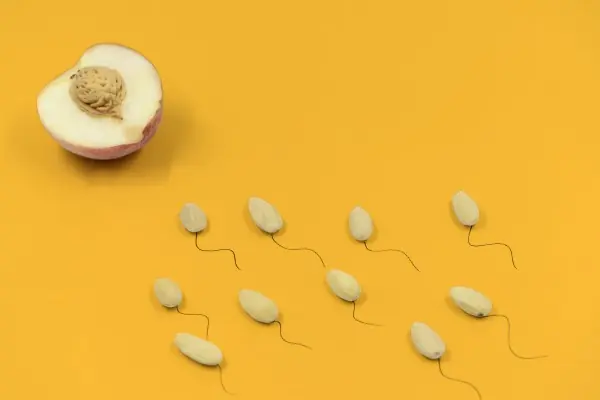
The sperm’s journey starts from ejaculation. Millions of sperm are released during ejaculation from the male reproductive tract and make their journey into the female reproductive course during intercourse. The ejaculation gives the sperm their full ability to swim through the female reproductive tract. Of the millions of sperms ejaculated, only a few have the potential to reach the egg. Chemicals released by the egg guides the sperm’s journey. Along the way, the sperm also undergoes some chemical and functional changes, preparing to fertilise the egg. Eventually, one sperm meets and fertilises the egg.
Of the millions of sperm a man ejaculates, some sperm can swim fast while others take longer to make their passage. The fast-swimming sperm can take about 30 mins to reach the egg while others might need days. Generally, sperm can survive in the female reproductive tract for up to 5 days (12- hours). The sperm just disintegrates and is washed out of the female tract in due time.
Here are some myths about sperm.
Sperm vs semen
Contrary to popular belief, sperm and semen are not the same. Sperm cells are male gametes. These male gametes have 1 function, to locate the female gamete (egg) and fertilise it. The sperm that are ejaculated into the vagina are coated in a fluid by the male sex organs. Semen is the mixture of the sperm, and the fluid it is encased in.
Sperm production and age
Unlike women and their eggs, it is believed that age does not affect sperm quality. However, this is untrue. Men do produce sperm through spermatogenesis throughout their lifetime, but sperm quality does decrease with age.
Pre-ejaculation does not result in pregnancy
People have a misconception that pre-ejaculation does not lead to pregnancy. Pre-ejaculation is the small amount of fluid released before ejaculation occurs. Although pre-ejaculation does not usually carry sperm, it can sometimes pick up live sperm as it travels through the penis. A study found that 16.7% of pre-ejaculation contains healthy sperm. As this is the case, pre-ejaculation can actually lead to pregnancy.
Tight clothing is not your friend
It is a myth that tighter clothing like briefs can have an impact on your sperm count and significantly lower it. However, there is no research to back this up. So do not feel the need to wear loose clothes as the evidence is not supportive of this. A 2016 study found that underwear choice has little effect on sperm production. Many other factors come into play when determining sperm production.
Pineapples give your sperm a refreshing taste
There are endless fruits or foods that have been dubbed to give sperm flavour, but is there truth to this madness? These are all tales and there there is a very thin thread of science behind these myths. Just like everyone has a unique breath, so does every men’s ejaculate. Several factors affect our breath like diet, genetics and lifestyle, and the same goes for semen.
Sources
References
3 sources were selected to match the subject of this article. Link destinations were checked twice when added. This does not mean every statement has been individually source-mapped or clinically approved.
Reference links open the cited source pages. If you spot something out of date, tell our content team.
Keep reading
More Contraception advice