In short
- Cystitis is a urinary tract infection and is usually caused by bacteria getting into the bladder.
- Honeymoon cystitis is cystitis specifically related to sex.
- In spite of the name, it can occur any time a woman has sex, usually when she has not had sex for a long time or the first time she has sex.
Cystitis is a urinary tract infection and is usually caused by bacteria getting into the bladder. Honeymoon cystitis is cystitis specifically related to sex. In spite of the name, it can occur any time a woman has sex, usually when she has not had sex for a long time or the first time she has sex. Cystitis may clear up on its own but sometimes needs treatment. Your doctor can test a urine sample to see if it is cystitis and not another condition like thrush.
How Common is the Condition?
Cystitis is a very common condition, affecting up to half of women at some stage of their lives. Honeymoon cystitis is much less common though and is responsible for just 4% of cases. It may occur more in women who do not have frequent sex, as it is possible that with regular sexual activity the body becomes more able to deal with the bacteria.
Young women are prone to the condition, but it can also happen in menopausal women; the drop in oestrogen levels and changes in the pelvic floor can make the vagina drier and mean that urine is not fully expelled. This means that bacteria may be retained and cause an infection. The chance of contracting cystitis is also increased if you are diabetic, pregnant, or have a poor immune system.
How to Prevent Honeymoon Cystitis
Go to the bathroom as often as you need to (never try to hold it in), and drink plenty of water. It can also be helpful to urinate straight after sex to flush out any bacteria. Always wipe front to back after going to the toilet, to avoid transferring bacteria from the anus to the vagina.
How is the Condition Treated?
The condition may clear up on its own, but if it doesn’t you may want to seek treatment. Cranberry juice is a popular remedy for treating cystitis, but you should also avoid consuming too much coffee, fruit juice or soda, as these can be irritating to the bladder. Mild discomfort can be treated with Paracetamol or Ibuprofen.
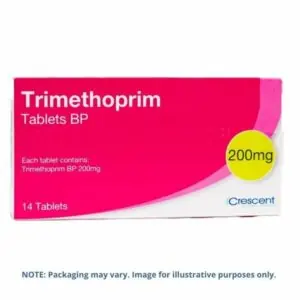
Antibiotics, such as Trimethoprim or Nitrofurantoin, are very effective treatments for cystitis; you will usually need a three-day course of treatment. Always complete the course, and never stop taking the pills early because you feel better. See your doctor again if the symptoms do not improve by the time you finish the course of antibiotics, if they return quickly, or if you have a fever. If you repeatedly suffer from cystitis, your doctor may prescribe a long-term course of a low-dose antibiotic.
Sources
References
1 source was selected to match the subject of this article. Link destinations were checked twice when added. This does not mean every statement has been individually source-mapped or clinically approved.
Reference links open the cited source pages. If you spot something out of date, tell our content team.
Keep reading
More Cystitis advice