In short
- Jelqing is a technique claimed to increase penis size through stretching. Men can do this manually or using devices.
- There’s no scientific evidence to support its effectiveness. Although it may boost confidence.
- If you’re gentle, the technique should be safe. You should do it for no more than 10-15 minutes at a time. Misuse or excessive pressure can lead to injury, including ED.
“Jelqing”, a method that claims to enlarge the penis, is gaining popularity online. You may have come across jelqing on TikTok or in forums.
If you’re thinking about giving it a go, it’s important you know the facts.
In this article, we explain everything you need to know about jelqing: including what it is, how effective it is, if it’s safe, and whether or not it causes erectile dysfunction (ED).
What is Jelqing? 2 Main Methods
Jelqing is a technique men use, which claims to increase the length and girth of the erect penis. There are two main ways of doing this: manually, and with a device.
- The manual method is done on a flaccid or semi-erect penis. The man holds the penis between his thumb and index finger. He then gently pulls from the base to the head of the penis in a fluid motion. He repeats this for a few minutes.
- Machines or devices can also be used for jelqing. These include weighted devices, levers or stretchers. If you want to use a device, only buy one from a website that you trust.
Does Jelqing Work?
There’s no evidence to suggest that jelqing does increase penis size. However, some men do believe that it works, and it may help some build self-confidence.
It’s important to note that the average vagina is only three inches long and will stretch to accommodate a penis of various sizes. So you don’t have to feel like your penis size is inadequate.
And you shouldn’t feel pressured into jelqing. If you feel pressured by a sexual partner, let them know that it’s unlikely to have any noticeable effects. You may find your relationship has underlying issues.
Is Jelqing Safe?
If you’re gentle and don’t use too much pressure or force, jelqing should be safe. You should never use jelqing when erect as this can tear the blood vessels, and cause bruising and pain.
Whatever method you use for jelqing, never do it for more than 10-15 minutes at a time. And never use too much pressure or force. You should not experience any pain. Stop immediately if you do.
Be careful if you are using any devices for jelqing. You may have less control than if you’re using the manual method.
Using lubricant when jelqing can help prevent chafing.
Can Jelqing Cause Erectile Dysfunction?
Injury to the penis can cause ED. If you’re not gentle when jelqing – or if you do it for too long – you may damage the penis.
If you have injured your penis, you should seek medical attention.
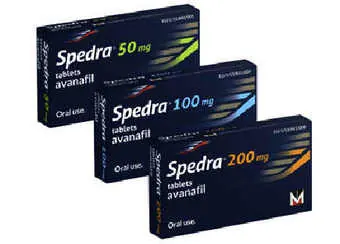
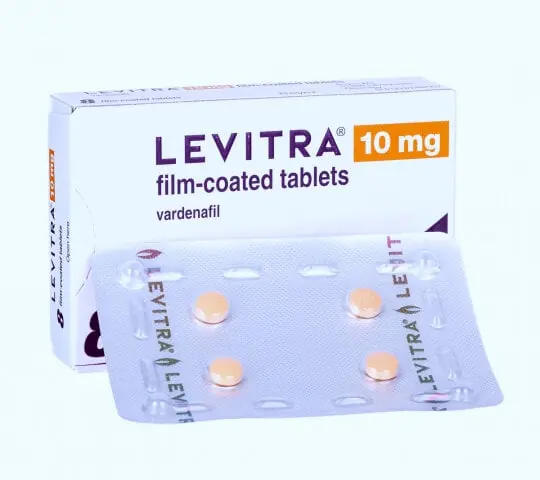
There are a number of causes of ED, both physical causes and psychological ones. It can be important to establish the potential cause of your ED, though in many cases
Fortunately, there are a number of treatments available to help you manage ED.
Summary
- Jelqing is a technique claimed to increase penis size through stretching. Men can do this manually or using devices.
- There’s no scientific evidence to support its effectiveness. Although it may boost confidence.
- If you’re gentle, the technique should be safe. You should do it for no more than 10-15 minutes at a time. Misuse or excessive pressure can lead to injury, including ED.
- Be cautious and communicate with your partner if you’re feeling pressured to try it.
Editor’s note: This article was originally published on June 1, 2018. It has been updated for accuracy, readability and comprehensiveness.
Sources
References
2 sources were selected to match the subject of this article. Link destinations were checked twice when added. This does not mean every statement has been individually source-mapped or clinically approved.
Reference links open the cited source pages. If you spot something out of date, tell our content team.
Keep reading
More Erectile dysfunction advice