In short
- Going on holiday or travelling to a tropical destination?
- Learn how to avoid malaria and put your mind at ease.
- Which destinations are affected by malaria?
Going on holiday or travelling to a tropical destination? Learn how to avoid malaria and put your mind at ease.
In this article we discuss:
- What is malaria?
- Which destinations are affected by malaria?
- Which antimalarials are available and which ones will best suit you.
- Other preventative measures you can take to avoid malaria.
What is Malaria?
Let’s start with the basics. You’re going on holiday and have been warned of malaria – but what exactly is it and how can it affect you?
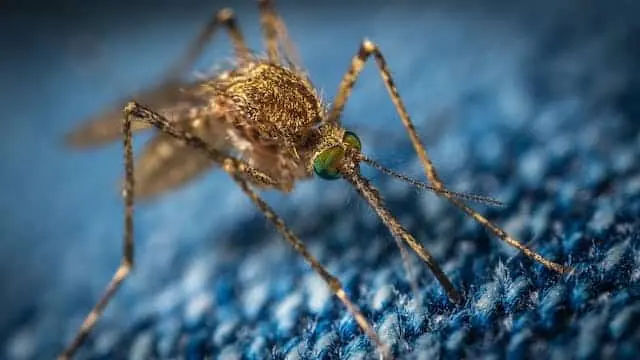
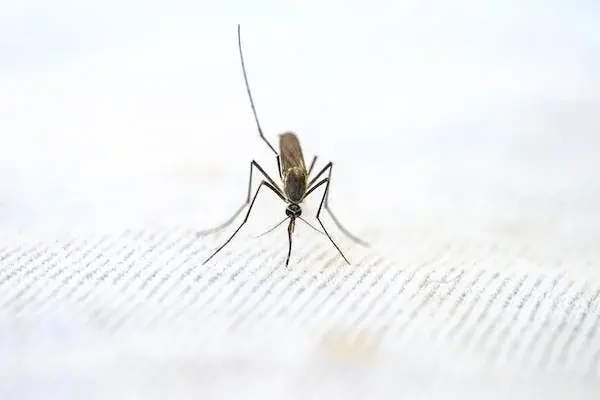
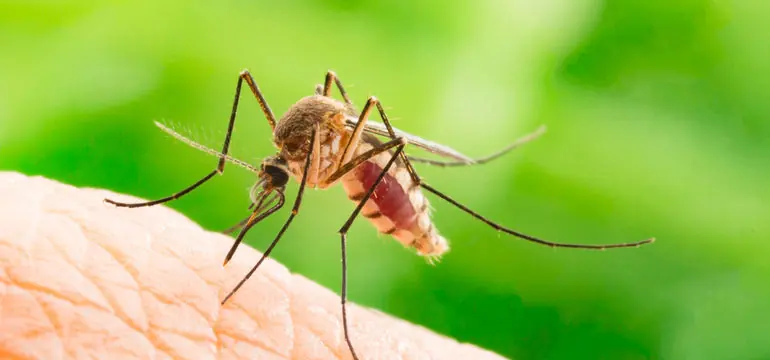
Malaria is a disease spread by parasites that infect mosquitoes – flying insects found throughout the tropics. A mosquito infected with malaria can pass the disease on to a human through biting, a small action that may often go unnoticed, therefore, it is important that you are fully protected and aware of what precautions to take when travelling abroad.
Malaria is not contagious cannot be passed from human to human, it is only transmitted through mosquitoes.
Symptoms of malaria include:
- High temperature
- Cyclic fever – feeling hot and shivery
- Feeling fatigued
- Muscle aches
- Nausea and vomiting
- Headache
These symptoms may appear weeks or even months after you have contracted the disease. If symptoms present within three months of returning from a country with a risk of malaria you should contact your GP, even if all recommended measures against malaria were taken.
Which destinations are affected?
Malaria is widespread, being present throughout the tropics and subtropics – popular holiday destinations.
The NHS website Fit for Travel gives up to date information on which countries carry a risk of malaria. These areas are defined as ‘high risk’ and you are advised to be taking extra precautions against the disease, such as antimalarial tablets, when visiting.
Even within the same country, the risk of malaria can differ between regions, therefore, it is good to know exactly where you are going. Malaria risk may also differ depending on the time of year you are travelling.
Antimalarials
Antimalarials are tablets that prevent you from becoming infected with malaria when taken correctly and consistently.
Resistance to antimalarials differs throughout the globe – what will prevent malaria in one country may not be equally effective in another. If you are travelling across several countries you should check which malaria tablets are effective as you may need to take more than one type throughout your trip.
Antimalarials can be purchased from an online pharmacy, within a pharmacy or through your doctor. You should note that they are not routinely given on the NHS so you may have to pay extra for them if you get them on prescription.
Common antimalarials include:
Doxycycline
This is a type of antibiotic active against malaria that is relatively cheap to buy.
It is unsuitable for children and pregnant women.
Possible side effects include heartburn, stomach upset and sensitivity to light causing sunburn – you should wear effective skin protection such as a sun-cream with a high SPF if taking it.
Malarone
This is a combination of two drugs -atovaquone + proguanil – taken together in the same tablet.
It is suitable for children at a reduced dose.
Possible side effects include stomach upsets and headaches
Can be more expensive compared to other antimalarials, therefore, may be more appropriate for shorter trips.
Mefloquine
Suitable for children at reduced dosages
Possible side effects include dizziness, sleep disturbances and psychiatric disturbances.
It is recommended that you should avoid this form of antimalarial if you suffer from seizure disorders such as epilepsy or have a history of mental health conditions.
Chloroquine
Suitable for children at reduced dosages
Possible side effects include upset stomach and visual disturbance
Relatively cheap to buy however some areas are now resistant to chloroquine
It is important to read the dosage instructions carefully before taking your anti-malaria tablets. Most tablets require to be taken a few days before entering into a malaria region and a few weeks after leaving, as well as the duration you are there. It is also important that you are compliant with taking the tablets as missing tablets may not provide complete protection.
Prevention is better than cure
Although antimalarials are a successful way to prevent malaria they are not considered 100% effective. Preventing mosquito bites will reduce your chances of contracting the disease further.
Simple steps you can take are:
- Staying covered up by wearing loose long sleeved t-shirts and trousers
- Sleeping with a mosquito net
- Using an insect repellent containing DEET, a chemical effective against mosquitos
- Washing your clothes with an insect repellent containing washing powder
By taking these simple preventative measures and taking malaria tablets you can enjoy your holiday stress-free without the worry of malaria!
References:
NHS – NHS Choices Conditions – Malaria. Available: https://www.nhs.uk/conditions/malaria/. Last accessed January 2019
Health Protection Scotland, NHS Scotland.Fit for Travel. Available: https://www.fitfortravel.nhs.uk/home. Last accessed January 2019.
The information contained in this article is not a substitute for personalised medical advice. Should you have any concerns about your health please speak to your pharmacist or doctor.
Sources
References
2 sources were selected to match the subject of this article. Link destinations were checked twice when added. This does not mean every statement has been individually source-mapped or clinically approved.
Reference links open the cited source pages. If you spot something out of date, tell our content team.
Keep reading
More Malaria advice