In short
- In 2017, 67% of men and 62% of women in England were reported to be overweight or obese.
- Obesity is often expressed in your Body Mass Index (BMI).
- Being overweight or obese comes with its health risks which can lead to lifelong or life threatening conditions.
Last Updated: 25/06/2025
In 2017, 67% of men and 62% of women in England were reported to be overweight or obese. There were over 700,000 obese related hospital admission and the numbers have been on the rise.
Obesity is often expressed in your Body Mass Index (BMI). This measurement is calculated by dividing your weight (KG) by your height (m) squared. A value between 25-29.9 is classed as overweight, while a value above 30 is categorised as obese.
Being overweight or obese comes with its health risks which can lead to lifelong or life threatening conditions. These include:
- Heart disease or stroke
- Diabetes – type 2
- Orthopaedic problems such as knee problems
When it comes to obesity, there is no quick fix – weight loss is a journey, and it can take time for effects to become apparent. Lifestyle changes are the mainstay for weight loss – these include a reduced calorie diet and a regular exercise programme with the aim to burn calories and eat healthily.
What is Orlistat?
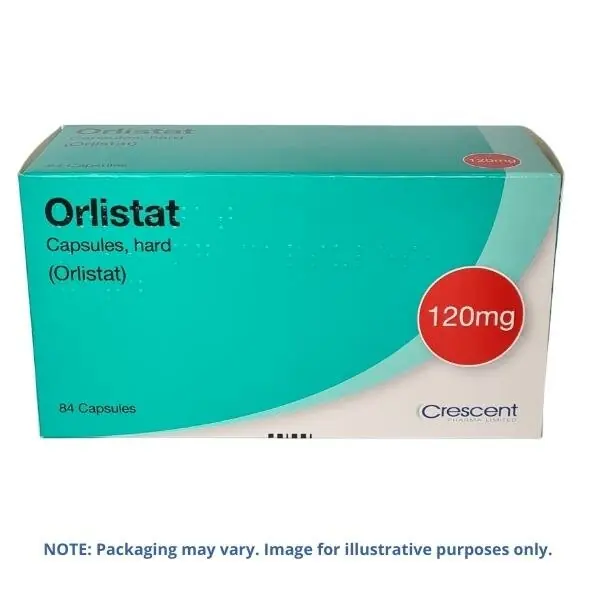
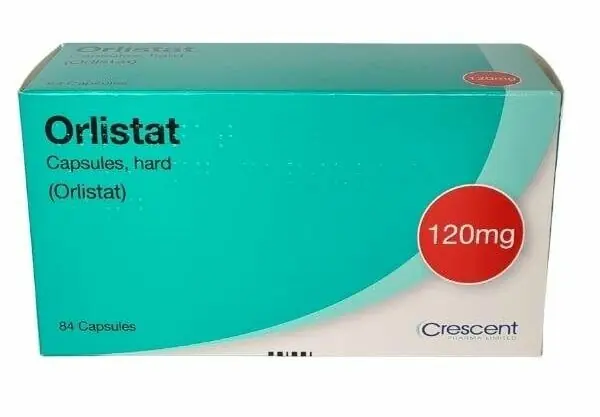
Orlistat (and its branded version, Xenical) is a weight loss medication that can help people kickstart their weight loss journey. It can be used by people who are overweight or obese. The medication works by preventing your intestines from digesting fat. The enzyme lipase is responsible for breaking down fat into a digestible form, and Orlistat blocks it from doing so. Orlistat blocks around a third of the fat in your diet, and in turn reduces the amount of calories absorbed by your body. These undigested fats are then excreted via your stools.
How is Orlistat Used?
Orlistat is taken 3 times a day alongside meals that contain fat. If the meal does not contain fat or you have missed a meal, you should not take the medication. It is also recommended not to take Orlistat with a meal containing more than 15g of fat, as this can cause unpleasant side effects such as soft bowel movements, flatulence and oily spotting.
Orlistat will not have an effect on your weight if taken alone. It needs to be used in conjunction with dieting and exercise.
Benefits of Orlistat
Less Fat Absorption
Orlistat works by reducing the amount of fat absorbed by the body, which means a quicker journey to weight loss. While Orlistat blocks 1/3rd of dietary fat absorption, it needs to be coupled with physical activity and calorie-controlled diet.
Diabetes and Insulin Resistance
In cases where diabetes or insulin resistance are a result of obesity, Orlistat has been shown to help people process insulin more effectively.
Lowering Cholesterol Levels
High cholesterol can lead to bad health outcomes, such as heart disease or strokes. The cholesterol accumulated in the artery walls can lead to plaque build up, which can affect blood circulation. A study has shown that Orlistat lowers bad cholesterol (LDL) in the blood, which is an added benefit to losing weight.
How to Order Orlistat?
Sources
References
2 sources were selected to match the subject of this article. Link destinations were checked twice when added. This does not mean every statement has been individually source-mapped or clinically approved.
Reference links open the cited source pages. If you spot something out of date, tell our content team.
Keep reading
More Orlistat advice