In short
- Styling your hair straight out of the shower can save you valuable minutes in the morning.
- However, some people find that their head of hair ends up looking far too thin until it has been properly dried.
- This can create negative self-image issues, and lead to a “bad hair day” for some.
Styling your hair straight out of the shower can save you valuable minutes in the morning. However, some people find that their head of hair ends up looking far too thin until it has been properly dried. This can create negative self-image issues, and lead to a “bad hair day” for some.
There is a reason your hair looks thinner when wet, and don’t worry – it’s not necessarily that you are losing hair!
The Science of Wet Hair
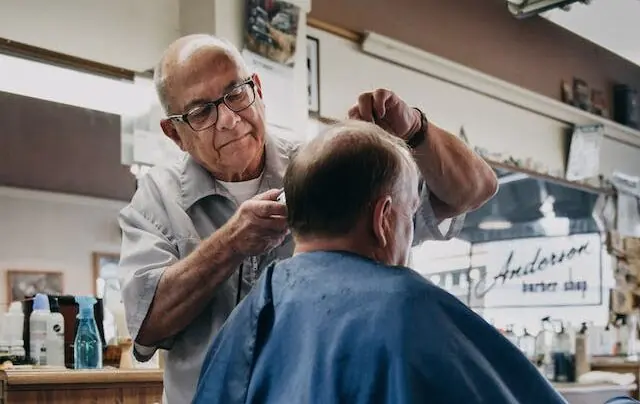
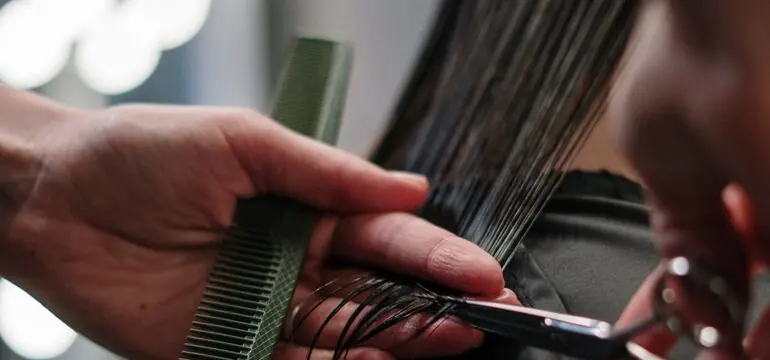
When hair is wet, particularly once it has been washed, it lacks the natural oils your scalp produces throughout the day. These oils help to keep hairs separate; when hair is wet, rather than forming individual strands, large clumps of hair will stick together and move as one, creating obvious partings that show the scalp. You may notice that many barbers will wet your hair before a cut – this makes hair much more manageable.
You may also notice a similar effect when using hair products, like gel or wax. Anything that allows the hair to stick together will create this same effect, making hair feel and appear thinner. However, wetting your hair may be a technique that can show you if your hair actually is thinning – if you know what to keep an eye out for.
How To Use Wet Hair to Check For Thinning
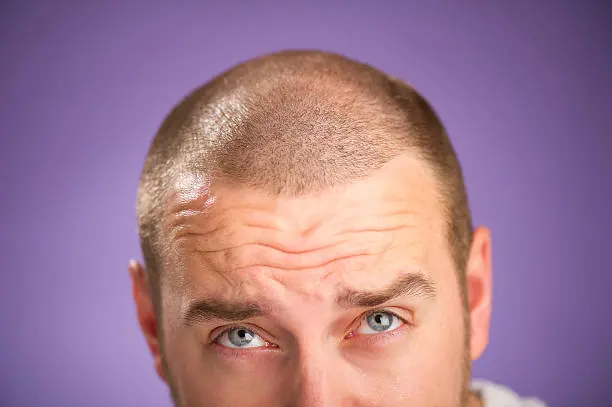
As your hair clumps together, you will be able to see your scalp through the gaps in your hair. By combing through the damp hair, lifting it up as you go, you will be able to get a clearer view of any balding spots, areas where your hair isn’t filling in the same way as the rest.
What Causes Hair Loss and Thinning?
The most common cause of hair loss is androgenic alopecia (male or female pattern baldness). In men, androgenetic alopecia presents as a receding hairline, often with a distinctive “M-shape” forming. Female pattern hair loss often presents as a widening of the parting. Both of these will result in thinning hair, around both the hairline and parting as well as elsewhere on the head.
Androgenetic alopecia is caused by your body’s way of processing testosterone. Dihydrotestosterone is produced in the body, and causes hair follicles to enter a resting phase that prevents future hair growth, before causing them to die off.
If you are losing patches of hair, you may be suffering from alopecia areata. This type of hair loss includes larger, circular patches of missing hair. It may also involve losing patches of body hair, including the beard and eyebrows.
Treatment Options
There are treatments which can help hair look and feel thicker. Regaine increases the blood flow to the scalp to help strengthen and thicken hair produced. In some cases of male pattern baldness, Regaine has even been shown to reactivate some senescent follicles, leading to new hair growth. Regaine is available as a foam or solution, with options for women as well.
You can also order Propecia (and its generic equivalent, Finasteride) from our online pharmacy. This treatment can help restore hair follicles which are in stasis, and can promote new hair growth in some cases. You can even use Regaine and finasteride together, which increases your chances of keeping your hair and promoting new growth.
Sources
References
2 sources were selected to match the subject of this article. Link destinations were checked twice when added. This does not mean every statement has been individually source-mapped or clinically approved.
Reference links open the cited source pages. If you spot something out of date, tell our content team.
Keep reading
More Finasteride advice