In short
- Pantoprazole is an acid reflux treatment that belongs to a class of medications known as proton pump inhibitors.
- Pantoprazole is described as unavailable over the counter in the UK.
- The article lists over-the-counter treatment options and lifestyle changes as alternatives.
What is Pantoprazole?
Pantoprazole is an effective acid reflux treatment. It belongs to a class of medications known as PPIs, or proton pump inhibitors. Proton pump inhibitors interfere with the production of gastric acid (stomach acid), limiting the amount released by the cells in the stomach. Acid reflux symptoms are caused by gastric acid entering the oesophagus (the food pipe). Reducing the amount of gastric acid should help to reduce irritation or damage to the oesophagus.
Can you buy Pantoprazole over the counter in the UK?
Pantoprazole is not available over the counter in the UK. But, Pantoprazole is available on prescription from your GP or an online pharmacy such as Simple Online Pharmacy. Pantoprazole is highly effective, but also quite a potent medication. This means that it may have stronger effects and more side effects. Therefore, it is recommended that you try over the counter treatment options first. Acid reflux can lead to serious complications such as oesophageal cancer, therefore, it is recommended that you do seek treatment if you experience acid reflux regularly.
Over the counter treatment options
- Antacids, such as Rennies, are the most well known over the counter treatment for acid reflux. They work by neutralising the stomach acid, which reduces the damage to the oesophagus if it does come into contact with gastric acid.
- Alginates, such as Gaviscon, are also popular over the counter acid reflux treatments. They work by forming a gel-like layer that floats on top of the gastric acid. This helps to reduce the chance of gastric acid entering the oesophagus.
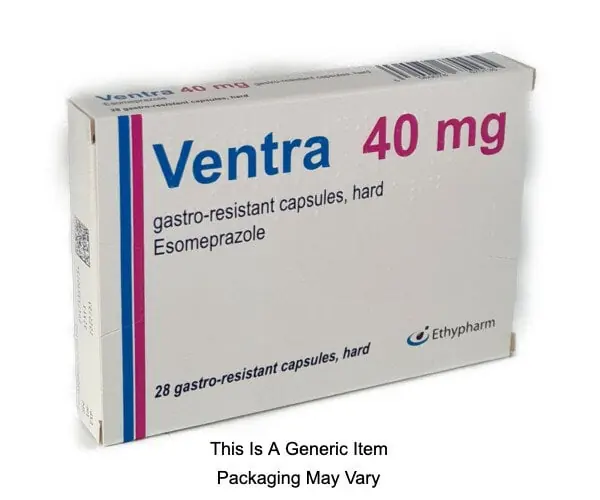
- Low-dose PPIs including Esomeprazole and Omeprazole are available over the counter. They work by reducing the amount of stomach acid produced.
- Low-dose H2 antagonists, such as Ranitidine, are also available over the counter. They work by blocking some of the receptors on the cells that produce stomach acid. This reduces the amount of gastric acid produced.
Prescription treatment options
A number of prescription treatments for acid reflux are also available, including Pantoprazole. Pantoprazole belongs to the PPI class of medications. Other PPIs include Lansoprazole, Esomeprazole (Nexium) and Omeprazole (Losec). As mentioned above, both Esomeprazole and Omeprazole are available at low doses over the counter, but higher doses require a prescription. Low-dose H2 antagonists are also available over the counter, but a prescription is needed for higher doses of Ranitidine (Zantac).
Lifestyle changes
Acid reflux is known to be strongly influenced by lifestyle factors. Medications only treat the symptoms of acid reflux, they are not a cure. Therefore, it is recommended that you try making a few changes to help prevent acid reflux from occurring. These include:
- Stopping smoking – even if you cannot quit smoking completely, reducing the amount you smoke may have positive effects on your health.
- Reducing alcohol intake or avoiding alcohol completely
- Losing weight – excess body weight increases the pressure inside your abdomen, which can encourage gastric acid to move into the oesophagus.
- Avoid eating large meals – large meals can fill your stomach, making it more likely that acid reflux will occur.
- Avoid eating late at night – Lying down after eating, increases the chance that gastric acid will flow out from your stomach and into your oesophagus. Therefore, it is recommended that you avoid eating late at night, as this can lead to acid reflux when you go to bed. If you do eat late at night, try to avoid lying down soon afterwards and consider raising the head of your bed, to reduce the chance of acid reflux.
Sources
References
2 sources were selected to match the subject of this article. Link destinations were checked twice when added. This does not mean every statement has been individually source-mapped or clinically approved.
Reference links open the cited source pages. If you spot something out of date, tell our content team.
Keep reading
More Acid reflux treatment advice